
NMAT by GMAC (NMIMS Management Aptitude Test) is a national-level, computer-based management entrance exam conducted by the Graduate Management Admission Council (GMAC) the same body that administers the GMAT. Its scores are used by NMIMS Mumbai and a wide network of other business schools in India and abroad for admission to MBA and PGDM programmes.
NMAT is attractive because of its flexible testing window, adaptive format, absence of negative marking, and the option to attempt the exam more than once in a single cycle. But flexibility is not the same as ease a strong NMAT score still depends on solid fundamentals, accurate timing, and consistent, well-analysed practice.
Our Dombivli centre works with NMAT aspirants through every stage of this journey concept building, guided practice, sectional and full-length mock tests, performance analysis, and personalised faculty mentorship, following a simple philosophy: Learn → Practise → Test → Analyse → Improve → Perform.

Sections — Language, Quant, Logical Reasoning
Minutes Total Exam Duration
Total Questions Across All Sections
Participating B-Schools Accepting NMAT Scores
NMAT rewards candidates who can move quickly and accurately across three distinct, individually timed sections. Our Dombivli programme is built around the things that genuinely convert practice into a stronger score.
Language Skills, Quantitative Skills and Logical Reasoning are each built up from fundamentals before timed practice begins, so speed is layered on top of genuine understanding.
Because NMAT's sectional time limits are strictly enforced and time cannot be transferred between sections, our mock tests simulate the real timing from early in preparation, not just in the final weeks.
With no negative marking, question-selection strategy matters differently than in other exams. We help students learn when a question is worth attempting versus when to move on and keep pace.
For students planning more than one attempt, we help review scorecards section by section and build a focused improvement plan rather than a repeat of the same broad preparation.
NMAT tests three broad skill areas within a strict 120-minute, individually timed structure. Candidates may be permitted to choose the order in which they attempt the sections, subject to the rules for the current cycle.
36 questions covering reading comprehension, vocabulary, grammar, sentence correction and error identification.
36 questions covering arithmetic, algebra, geometry, number system and data interpretation.
36 questions covering analytical and verbal reasoning, arrangements, coding-decoding and critical reasoning.
NMAT is a computer-based, adaptive test where question difficulty responds to how a candidate is performing, scored on GMAC's scaled model.
Exact question counts, section timings, scoring scale and negative-marking policy can be revised by GMAC between cycles. Always verify current details on mba.com/exams/nmat before finalising your preparation plan.
NMAT eligibility is set by GMAC and is intentionally kept broad. Individual business schools that accept NMAT scores often layer on their own, more specific eligibility requirements.
A bachelor's degree (typically 10+2+3 or 10+2+4 format) in any discipline from a recognised university, with a minimum aggregate generally around 50%, subject to relaxation for reserved categories at many institutes.
Students in their final year of graduation, or awaiting results, are generally eligible to apply on a provisional basis.
There is currently no upper age limit for NMAT candidates. Work experience is generally not mandatory, though some institutes may give it additional weightage.
Meeting NMAT's basic eligibility does not guarantee you meet a specific business school's admission requirements always check each target institute's own eligibility page.
Eligibility conditions can be revised between cycles. Always cross-check the latest official NMAT by GMAC notification before applying.
GMAC does not publish a single fixed syllabus document for NMAT. The topics below reflect the major preparation areas that have consistently appeared across previous testing cycles.
Reading comprehension, vocabulary and word usage, grammar and sentence correction, error identification, para-jumbles and para-completion, sentence formation, and identifying main idea, inference and tone.
Arithmetic (percentages, profit and loss, interest, ratios), time-speed-distance and time-work, number system, algebra, geometry, mensuration, averages, probability, permutation and combination, data interpretation and data sufficiency.
The figures below reflect the pattern reported for the current testing cycle at the time of writing and should be verified against the official NMAT by GMAC website before being relied upon.
| Section | Questions | Time Allotted | Key Focus Areas |
|---|---|---|---|
| Language Skills | 36 | 28 minutes | Reading comprehension, vocabulary, grammar |
| Quantitative Skills | 36 | 52 minutes | Arithmetic, algebra, geometry, DI |
| Logical Reasoning | 36 | 40 minutes | Analytical & verbal reasoning, coding-decoding |
| Total | 108 | 120 minutes | — |
GMAC can update the pattern, marking scheme or timing before or between cycles. Always verify the latest official pattern on mba.com/exams/nmat before beginning serious preparation.
While the exact process can vary by institute, the general journey from taking NMAT to securing MBA admission typically follows these broad steps.
Register within the official window
Attempt within your chosen slot
Scores sent to chosen institutes
GD / WAT / PI, per institute
Decided by the individual B-school
Preparation follows a consistent philosophy — Learn, Practise, Test, Analyse, Improve, Perform — with real feedback built into every stage.
Understanding your current level across Language Skills, Quantitative Skills and Logical Reasoning.
Strong fundamentals across all three sections, built before speed and timed practice.
Topic-wise, sectional and full-length mock tests simulating real sectional timing.
Detailed performance analysis, mentorship, and a consolidated exam-day and retake strategy.
NMAT is an entrance examination, not a qualification in itself. Career opportunities open up after a candidate completes an MBA or management programme at a participating institution.
Roles across finance, banking, financial services and management consulting following an MBA specialisation.
Roles in marketing, brand management, sales and business development.
Roles in business analytics, operations and strategy across industries.
Roles in human resources, product management and general management tracks.
GICE Academy does not promise or guarantee any specific salary, placement outcome or career result. Outcomes vary by institute, specialisation and individual profile.
Guidance Institute for Competitive Exams was founded in 2018 with a vision to provide effective and qualitative education for competitive examinations. Our strength lies in our dedicated and experienced faculty. GICE Academy has emerged as a leading competitive exam institute in Thane with a strong focus on student success.
Career With Us





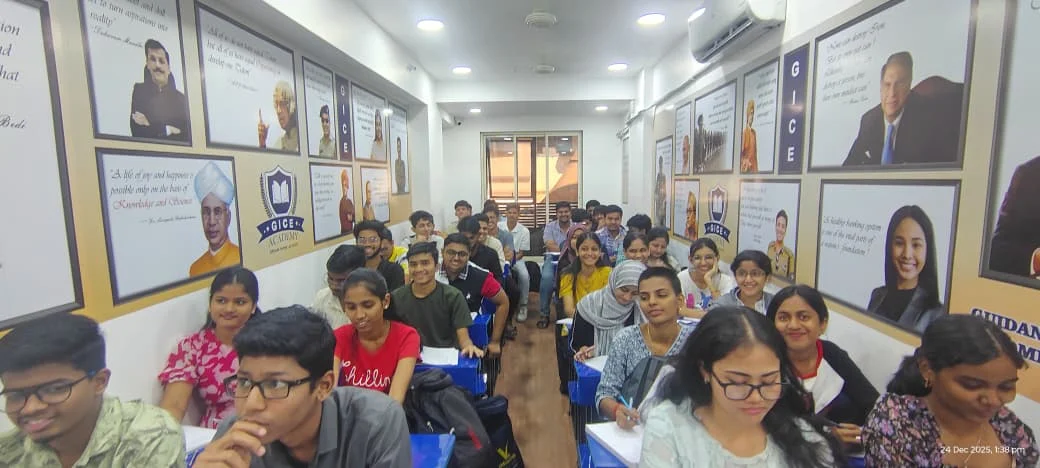
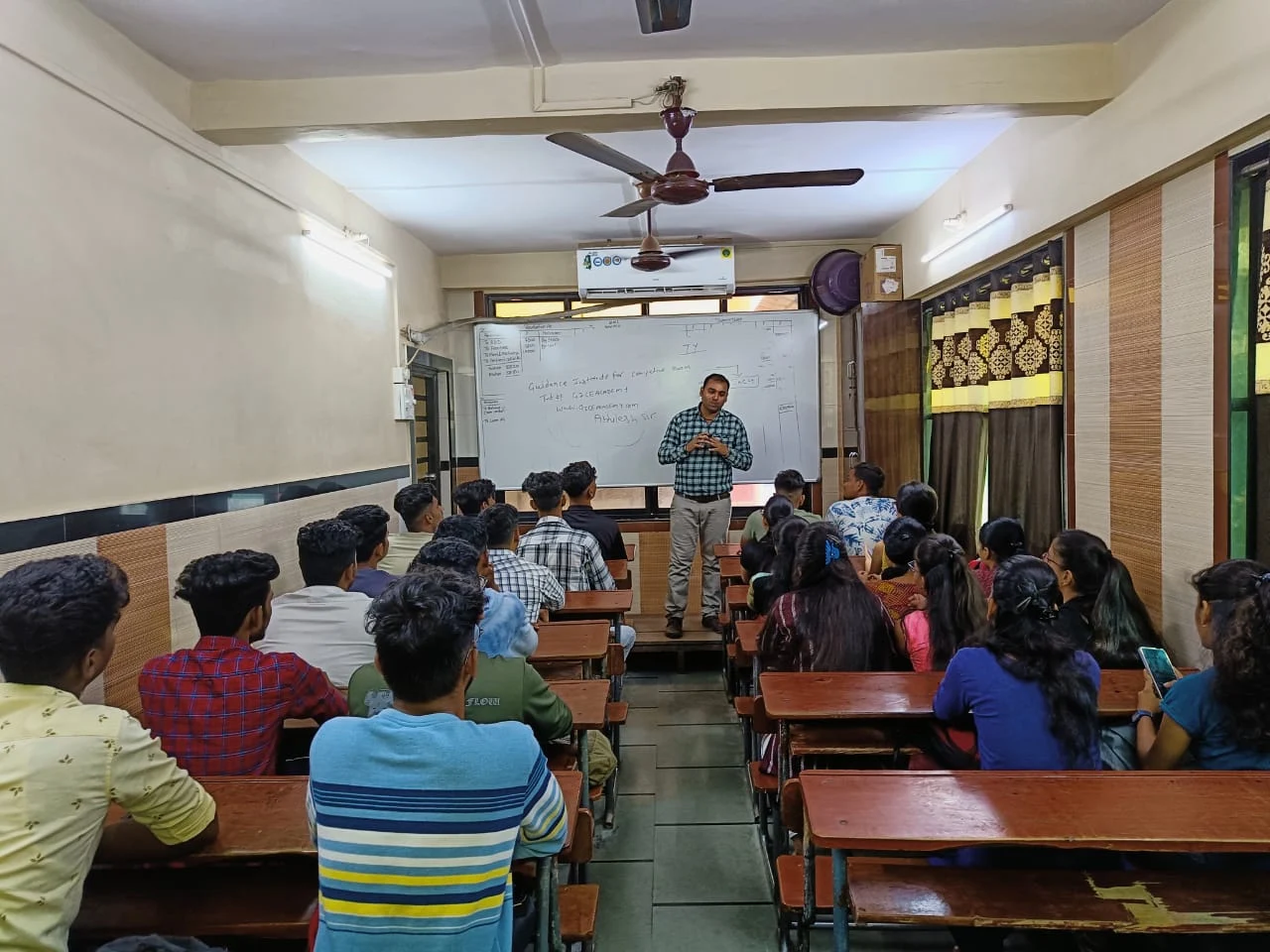
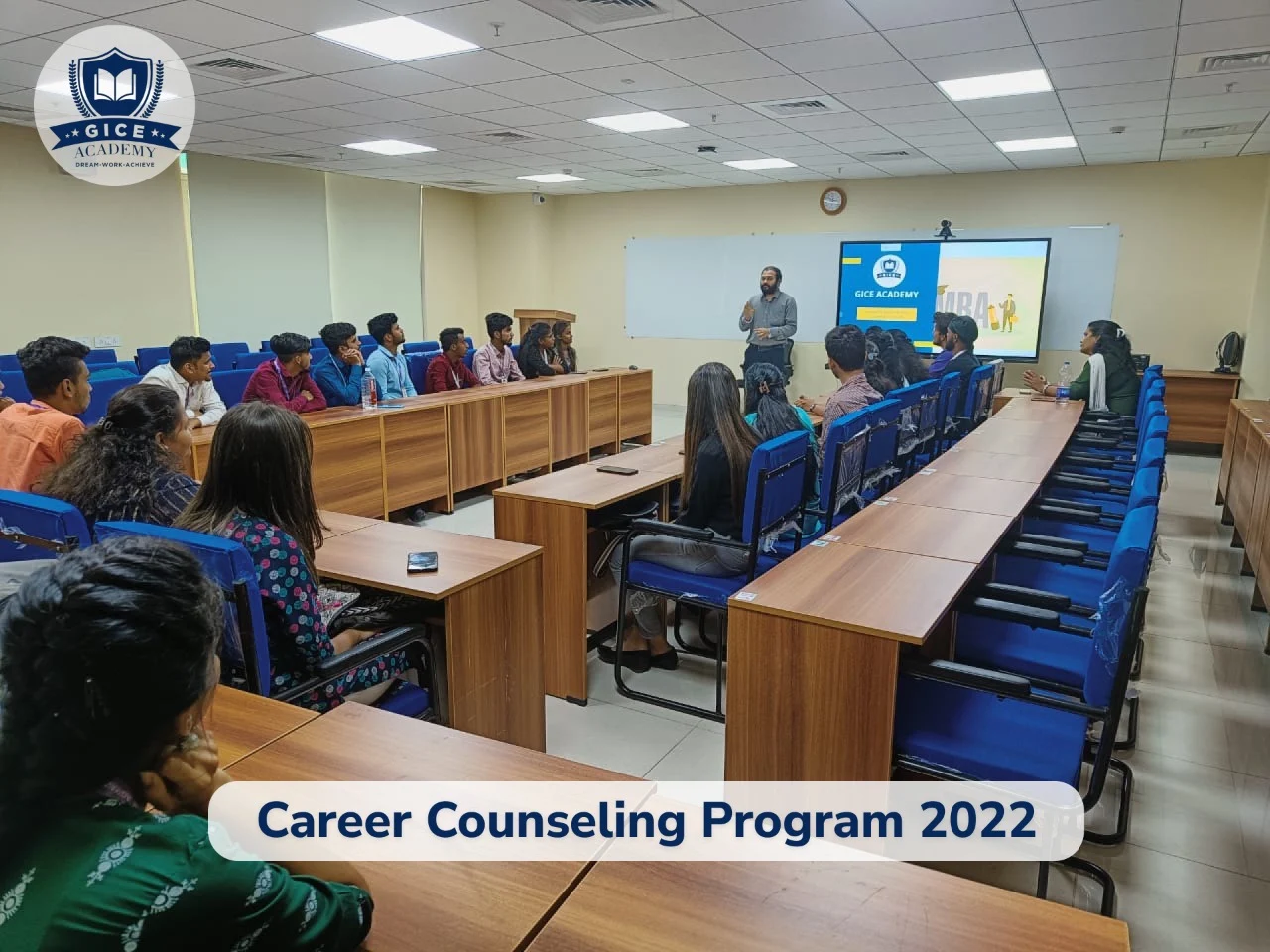
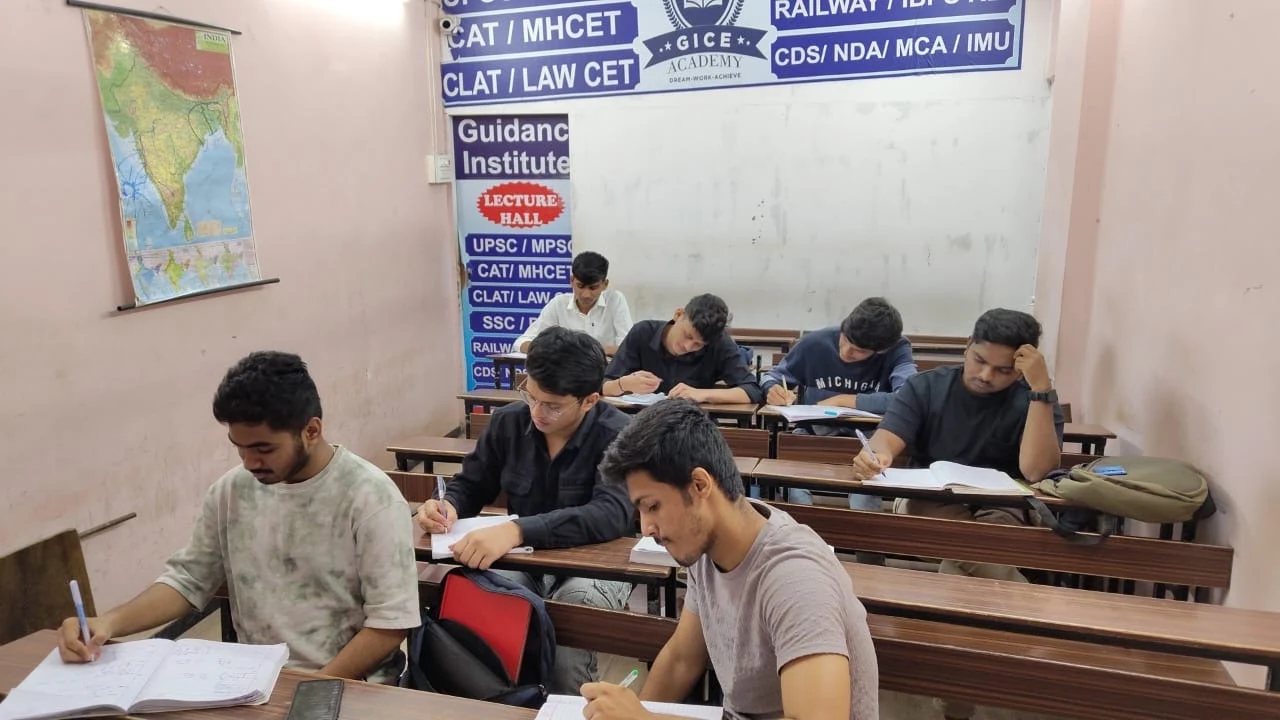
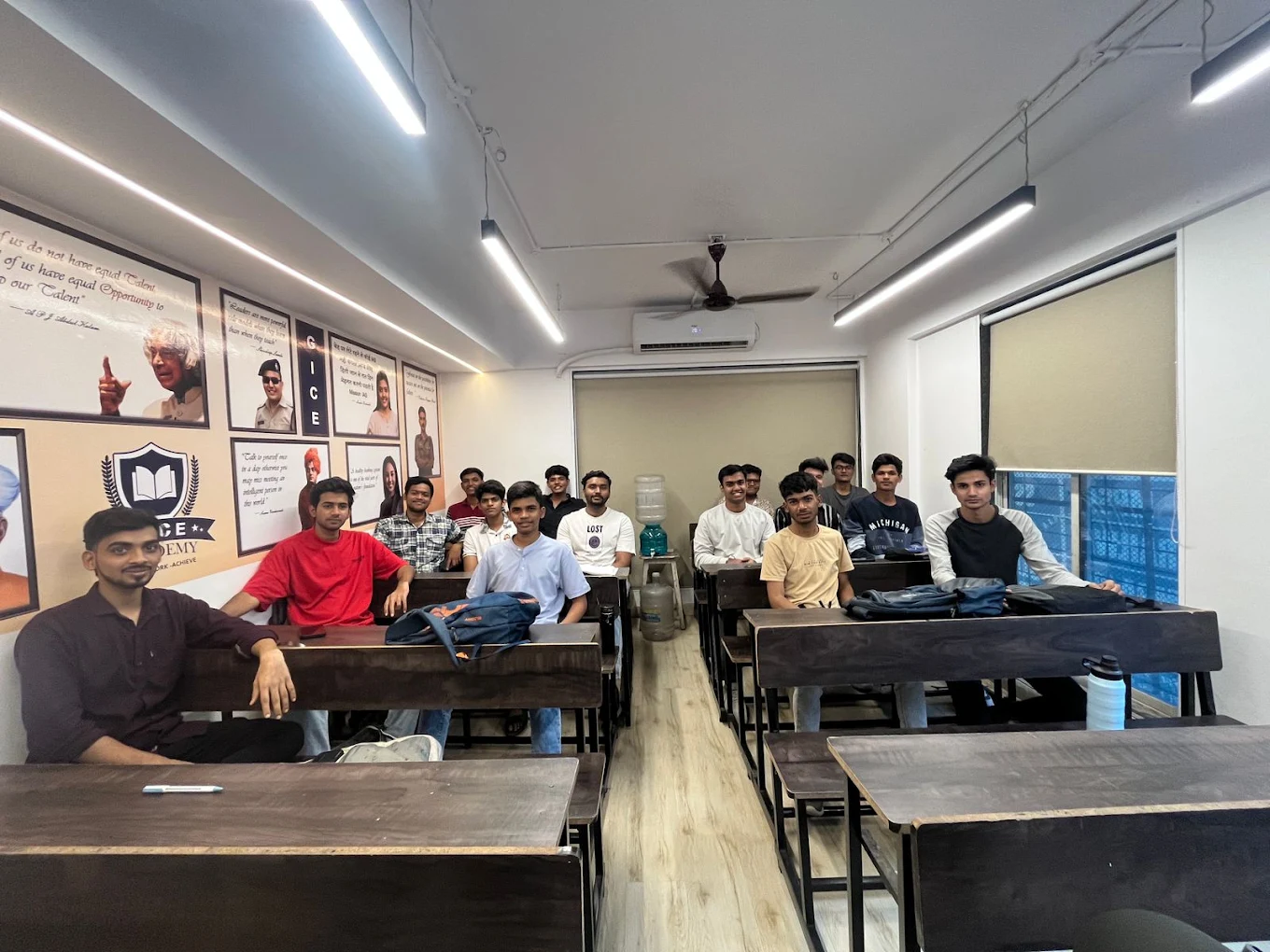
Explore the learning environment and classroom sessions at GICE Academy.
NMAT (NMAT by GMAC) is a national-level, computer-based management entrance exam conducted by GMAC for admission to MBA/PGDM programmes at NMIMS and a wide network of other participating business schools.
NMAT has three sections — Language Skills, Quantitative Skills and Logical Reasoning — totalling 108 questions in 120 minutes, with no negative marking under the current scheme.
A bachelor's degree in any discipline with a minimum aggregate generally around 50%, from a recognised university. Final-year students can generally apply provisionally, and there is currently no upper age limit.
Under current NMAT rules, candidates are generally permitted to attempt the exam more than once within the same testing cycle. Always verify exact attempt limits on the official NMAT by GMAC website.
NMAT scores are accepted by NMIMS and a wide network of other participating business schools, commonly cited at 50 or more institutes. Always confirm current acceptance directly with each institute.
Yes — sectional tests, topic tests and full-length mock tests simulating real sectional timing, along with detailed performance analysis, are built into the preparation journey alongside subject-wise classroom teaching.
[Your full address here — building, street, landmark, area, Dombivli, pincode]